Best Forex Broker Malaysia
Updated February 1, 2024
Trading Forex in Malaysia has always been easy, so it’s no wonder that both citizens and expats get to choose from an array of different Forex brokers
The 33needs Investment and Trading Guide has long kept a watchful eye over the FX, mainly because of its numbers-based nature. Foreign exchange trading can be a successful venture with the best Forex Broker Malaysia. Today, we’re going to show just them, and much more.
Offer: Top Brokers For Forex In Malaysia

Moneta Markets clients from Malaysia are able to profit from the bullish and bearish moves of 300+ tradable instruments, such as Forex, Share CFDs, Indices, Commodities. Visit the site!

There is a reason why over 5 Million clients choose XM for Forex Trading, Stock Indices Trading, Commodity Trading, Stocks, Metals and Energies Trading. Over 1000 Instruments. Visit XM now!

Wherever your financial interests lie, you can rely on AVATrade. Want to start trading but not sure how? Discover and copy thousands of top traders. Get more info now!
Best Sites: Broker Forex Malaysia
If you’re the type of person to prefer liquid assets over other, more intangible investments, then why not give Forex brokers Malaysia a try? You don’t have to have an economics degree nor be a trust fund baby. Due to the existence of online FX trading sites, independent investors can choose their own brokerage firm and make decisions the way they want to. And it’s not just currencies we’re talking about anymore. Whether it’s cryptos like Bitcoin or CFDs, the same rules remain.
With the market growing in size, hundreds of new brokers have entered the business. However, we always suggest going for the best possible options. That’s why we let our financial correspondents and traders work their magic through many popular FX trading platforms.
While it was evident that some sites were just not cut out for foreign exchange brokerage in 2022, things started getting pretty competitive near the end. We judged each candidate on the following things:
- Tutorials for beginners
- Welcome bonus for FX trading
- User interface
- Number of features
- Customizability
- Premium packages
- Polite support agents
- Compliance
Once we test our contenders in each of these categories, we sit down once again and pull off a couple of trades. Regardless of the result, we observe how the platform behaves and grade it further. And that’s how this list of the best Forex brokers in Malaysia came to be. Pick your poison and trade wisely.
Current forex broker reviews for traders from Malaysia:
About Us
Team Up with Real Experts
Sure, having experience and the necessary skills is never a bad thing, but you need the right trading platform to flourish. Our readers have wanted us to do a detailed FX guide for some time now, so we felt that ranking the best Forex brokers in Malaysia would be the perfect start. In addition to listing the sites, their bonus offers, and other details, we’ll also show you how to gain a foothold in this tumultuous business.
The 33needs team always strives to be objective, so you can expect each and every review to be an honest recollection of our experience. Now, with all that out of the way, let’s see what’s the best Forex broker in Malaysia right now!



How to Start Forex Trading?
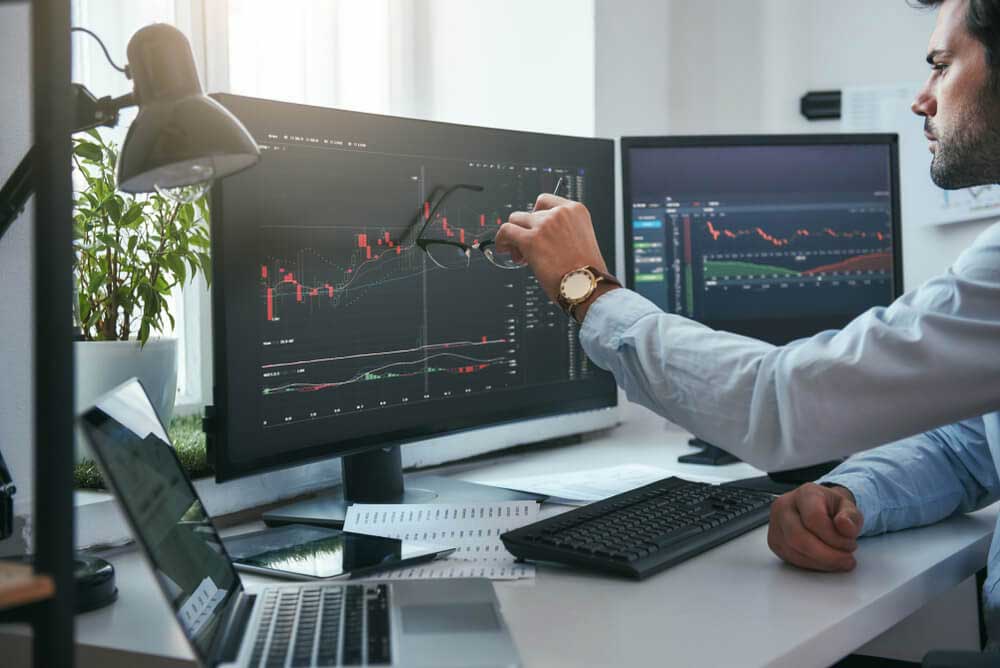
More and more people are realizing the benefits of remote employment, which once again brought Forex trading back into the headlines. And it makes sense, as FX brokers can help you earn passive income just based on a few calculated decisions. If you do your homework and develop a strategy that actually works, it’s not unrealistic to expect things to grow.
But before you overburden yourself with thoughts of growth and upping your investments, let’s take a look at how to start Forex trading at Asian brokers. While a good platform will certainly make your life easier, knowing the basics will take you far, far longer. It’s all about being a versatile trader who knows how to switch things up. Here’s how to start that journey:
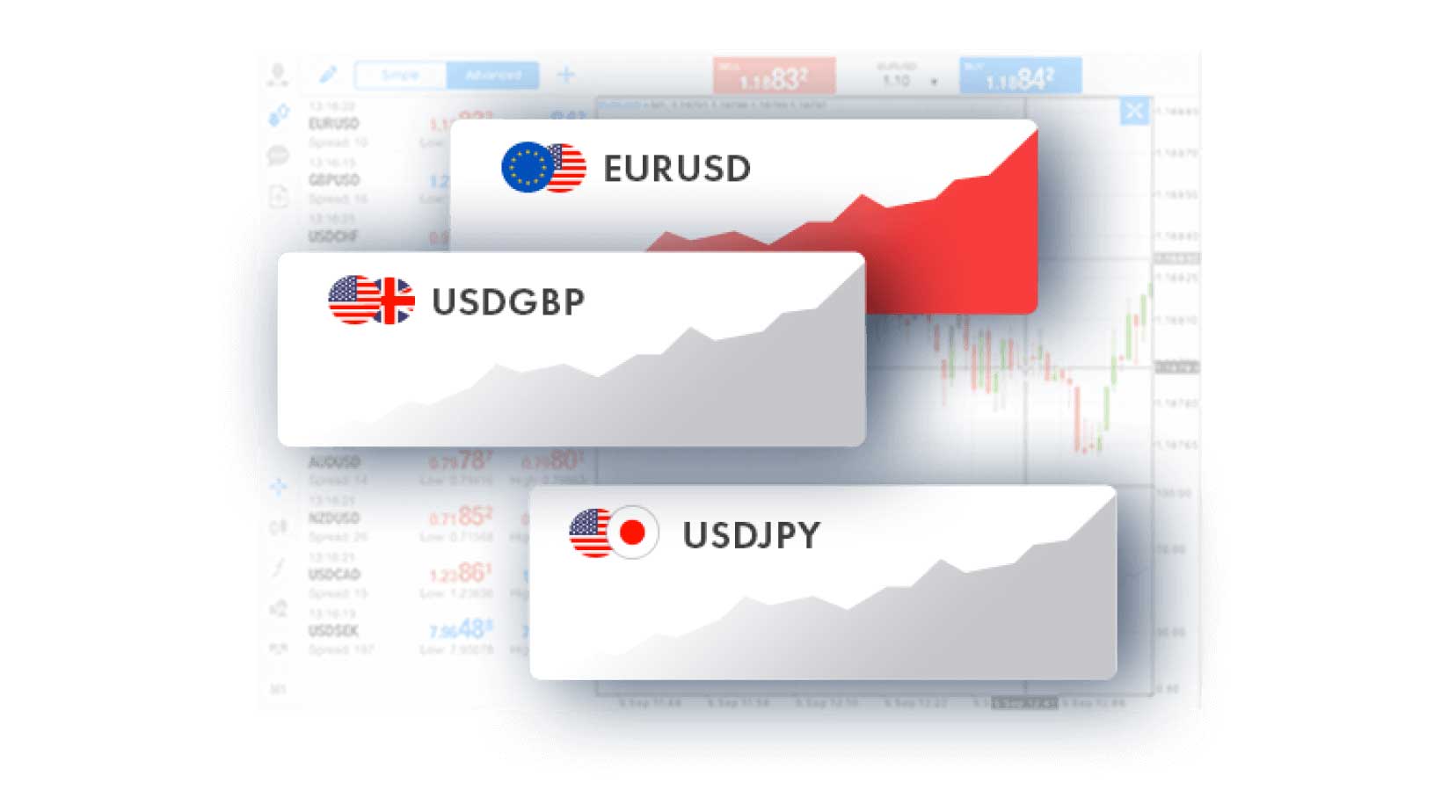
- Be aware of what makes Forex unique. Forex trading is a pretty unique financial activity. You’re not actually giving money or getting money for something tangible. FX trades involve trading different currencies for one another. The best way to put it would be to say that currencies depend on one another because their value is expressed through other denominations. Forex trading is done through pairs – the first currency buys the second (e.g. EUR/GBP).
- Figure out what trading strategy works the best for you. Unlike the NASDAQ or the NY Stock Exchange, Forex markets are open 24 hours a day, five days a week. This gives you a lot more room than the average options addict. Again, this gives you room for a plethora of strategies. The most important ones are scalping, day trading, position trading, and swing trading. They differ according to the time needed and the investments required. We’ll discuss them later on, but you should be aware of their pros and cons before making your first trade.
- Choose a good Asian Forex broker. Our top list only contains legal and regulated Forex brokers. In order for us to recommend a company, it has to be licensed by a government or some kind of financial regulator. We check these credentials quite often, so you already know that you won’t encounter any scams. Read Asia Gambling Guide’s reviews in the table above and make up your mind when it comes to your future platform. Once you’re done with this, it’s time for another kind of planning.
- Set aside a budget. This is perhaps the most important step of all. The markets can get very volatile, no matter how good of a period you’re having. With that being said, being strict with yourself is the only way to preserve your finances. Only enter trades when you have enough disposable income. One thing we like to do is immediately take out our initial investment when we double it. This way, you’ll never be in the red, as you’ll only have your profits to rely on. Don’t let wins get to your head. If you feel like you’ve had enough, walk away. No one’s going to blame you for it and there will be many more chances to profit.
- Practice. Sign up with an Asian Forex broker that allows you to open a demo account. Choosing an FX platform is a big deal, so site owners often let new users play around with virtual money just to see how things work. While the site views this as a way to market itself, a beginner such as yourself can use it to practice trading as a whole. Are there any tutorials? Can you make use of all the important features? Ask yourself these questions while you’re honing your craft.
- Learn from various sources and avoid mistakes. Don’t trade Forex with your ego. Even billionaires need to be informed about the latest economic developments and trading techniques. Do some research about the most reputable trading educators, blogs, and discussion forums. Watch YouTube videos too. After a while, you’ll learn what to do and what not to do. Avoiding these mistakes
- Analyze major economic data. Sports betting odds move according to player interest. Crypto prices are the same, as their worth is also speculative and based on overall interest. Forex trading Asia sites work differently, though. Currency values are based on real-world macroeconomic developments. Geopolitical relationships, sanctions, laws, ease of doing business, and many other factors push a currency up or down. Depending on the pair you’ve chosen, follow the two countries and try to predict any movements.
- Follow the best Forex traders and tipsters. Copy Trading! We’re living in the age of social media, right? You’ll often see the best FX traders posting their accomplishments on blogs, Facebook, Reddit, or even forums. There are even investors that have carved their own niche by providing specialized tips. Much of this analysis is available for free, so it’s a worthy final step of your onboarding process.
What Makes The Best Forex Broker Malaysia?
We constantly update our reviews and rankings. That doesn’t mean you shouldn’t be able to recognize the right opportunity when you see one. Therefore, we wanted to list the building blocks of every good Ringgit Forex broker. Since we have years of experience with trading foreign currencies, we happen to know a thing or two about the most important features.
Still, we didn’t want to let this get to our heads, so we asked both our readers and our correspondents. Some of the answers surprised us, but there weren’t many unexpected additions to the roster. At the end of the day, we believe the best Forex broker sites in Malaysia have these four qualities:
- Legality. Every Malaysia Forex broker must be regulated by the government of the country in which they’re based. These sites handle millions of dollars on a weekly basis and need to be regulated. If something happens, the regulator will assist you in recovering your funds, and subsequently, penalize the broker. If it isn’t legal, don’t think about it.
- The number of available pairs. Forex trading is all about finding unorthodox avenues of success and mixing them with proven methods. The more pairs there are, the more options you have whenever you want to try something different. If you’ve caught wind of some developments in Africa or South America, you’re going to want to capitalize on them.
- Demo account availability. Why should you jump into trading straight away and risk all your savings? The best Forex trading sites in Asia give you the ability to test their features using a demo account. Upon registration, you’re given a stack of virtual cash, which you can use to make trades and see how the whole things work. Don’t even think about taking the plunge without a demo.
- Efficient customer support. Any Forex platform is a sum of moving parts and millions of things that can malfunction at any moment. If something like that happens, you’re going to want to have sufficient options for help. That’s why 33needs prefer brokers with a 24/7 live chat feature.
Best Forex Trading Strategies
There have been countless books written about the best strategies for trading Forex Malaysia. Even the most acclaimed financial experts can’t come to a consensus most efficient way to make money. However, most recipes for success are based on one of the following four strategies. Learn about their benefits and try them out on your demo account:
- Scalping. The fastest strategy of them all. You have to be hyper-aware and have a reliable internet connection for this one. Scalpers only hold for a couple of seconds and make decisions at the slightest hint of market movements. A high level of liquidity is required for scalping-based strategies, so major currencies are the best way to go.
- Day trading. Also considered to be a fast-paced strategy, the day trading side of this requires you to stay vigilant until the overnight part of trading. Exit your positions in the afternoon and start trading once again in the morning. Analysis is key in day trading.
- Position trading. Long-term movements and profit maximization are the goals of this strategy. Position-oriented traders look at yearly charts and plan their whole currency portfolio in advance. It’s the best for big investments.
- Swing trading. Short-term movements are a priority here. They might not be as frequent as those scalpers have to watch out for, but you can still have a productive week if you play your cards right. Trend trading and breakouts are the choice moves of swing traders.
New at 33Needs …




Frequently Asked Questions (FAQ)
Is Forex trading a good idea?
We would say so. If you have experience and/or skill, you’ll find that there are many similarities between betting and FX markets. Movements are based on real-time occurrences and trade traffic, so it’s not hard to find adequate challenges (and profits).
What is the best Forex broker Malaysia?
Consult our ranking of the top Forex trading sites in Asia. The list is a result of several weeks’ worth of testing, so they really are the best of the best.
Should I scalp in the beginning?
This only depends on your goals and what profit margins you wish to reach. We would advise you to open a demo account and see what strategy works best. But if you’re looking to invest the least effort possible, scalping is definitely a good choice.
Do I really have to trade at only licensed Forex brokers?
Yes. Forex trading sites that are licensed have to abide by laws and regulators, reducing the chances of a scam occurring. Even if you become a victim of such a thing, there will be consequences for the broker.
Users about 33Needs
Ready to Grow Your Bank Account?